Milton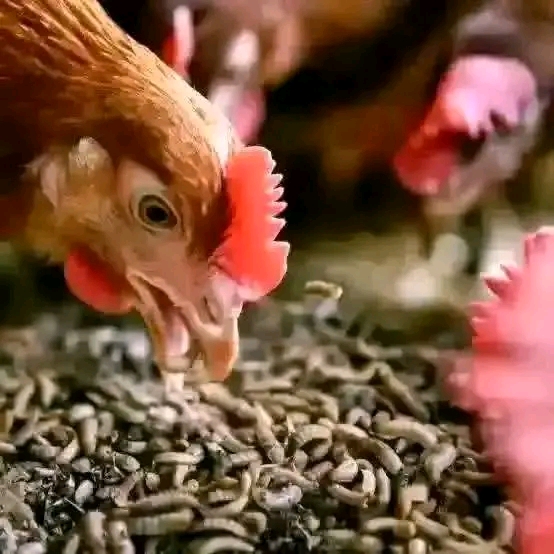
Breeds black soldier fly maggots, which turn waste into high-protein feed for livestock. Here’s how the entire process works:
𝟏. 𝐆𝐄𝐓𝐓𝐈𝐍𝐆 𝐒𝐓𝐀𝐑𝐓𝐄𝐃
Maggots aren’t just pests—they’re tiny protein powerhouses. Black soldier fly maggots, in particular, are known for their ability to break down organic waste while providing a nutrient-rich food source for animals.
𝟐. 𝐒𝐄𝐓𝐓𝐈𝐍𝐆 𝐔𝐏 𝐓𝐇𝐄 𝐅𝐀𝐑𝐌
- Finding the right spot: The farm should be in a well-ventilated area with protection from extreme weather.
- Creating an insectarium: This is a controlled space where flies lay eggs that eventually hatch into maggots.
- Sourcing organic waste: Maggots thrive on food scraps, fruit peels, and other biodegradable waste, making the farm eco-friendly.
𝟑. 𝐌𝐀𝐆𝐆𝐎𝐓 𝐋𝐈𝐅𝐄 𝐂𝐘𝐂𝐋𝐄
- Eggs hatch: Flies lay eggs that hatch in 3 to 4 days.
- Rapid growth: The larvae feed on organic waste, growing fast over 10 to 12 days.
- Harvesting: When mature, the maggots are collected and processed for sale.
𝟒. 𝐇𝐎𝐖 𝐓𝐇𝐄𝐘’𝐑𝐄 𝐔𝐒𝐄𝐃
- Livestock feed: Farmers use maggots as a cheaper alternative to fishmeal and soybeans.
- Waste management: The maggots help break down waste, promoting environmental sustainability.
- Human consumption: Some companies have begun exploring maggots as a protein source for human food products. 𝟓. 𝐓𝐇𝐄 𝐌𝐎𝐍𝐄𝐘 𝐒𝐈𝐃𝐄 𝐎𝐅 𝐓𝐇𝐈𝐍𝐆𝐒
- High demand: Livestock farmers, fish farms, and feed mills are eager buyers.
- Revenue potential: A kilogram of maggots sells for around 1,000 naira, proving to be a profitable venture.
𝟔. 𝐆𝐑𝐎𝐖𝐈𝐍𝐆 𝐓𝐇𝐄 𝐁𝐔𝐒𝐈𝐍𝐄𝐒𝐒
- Offering training: The entrepreneur runs workshops teaching others how to farm maggots successfully.
- Expanding the market: With a broad customer base, from poultry farms to fish farms, demand is rising fast.