Milton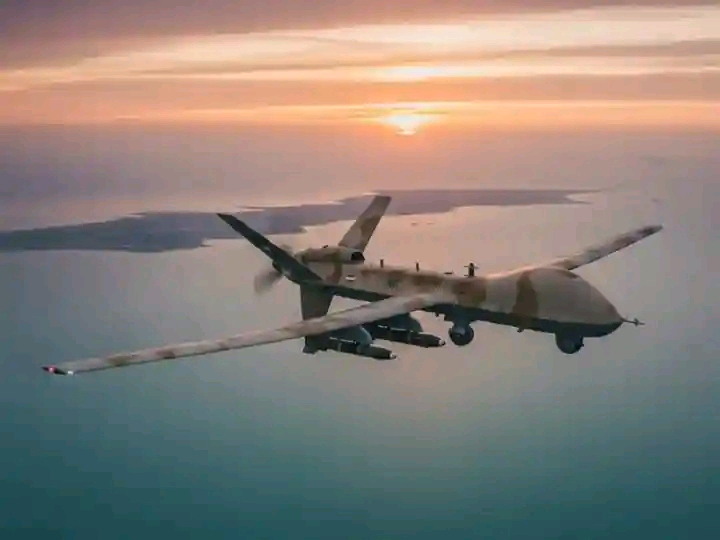
The Iranian drone shot down near the USS Abraham Lincoln may never have been intended to survive. Its true mission was not to strike, but to observe.
By forcing a real-world interception, Iran gains insight into how the US Navy reacts under live conditions how quickly sensors detect a target, which systems activate first, how layered defenses coordinate, and how carrier strike groups prioritize threats. These are details no satellite image or exercise simulation can fully reveal.
More importantly, every interception teaches patterns. Over time, repeated probes allow analysts to map response thresholds, engagement distances, and decision timelines. This transforms a single drone loss into a data point within a larger intelligence mosaic.
For the US Navy, shooting down the drone protects the carrier. But for Iran, the exchange may still be favorable. Drones are expendable. Operational behavior is not.
This dynamic reflects a broader shift in modern military competition: conflicts are increasingly fought through controlled friction, not open clashes. Each side tests, measures, and adapts carefully staying below the line that would trigger full escalation.
In this context, the incident is less about air defense success or failure, and more about learning under pressure. And in long-term confrontations, the side that learns faster often shapes the next move.