Milton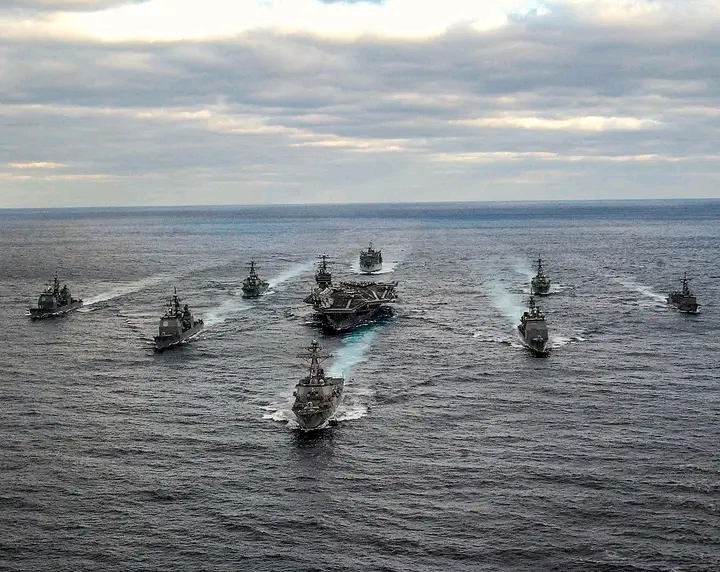
A direct US military strike on Iran would mark one of the most consequential escalations in the Middle East in decades, with immediate military, economic, and geopolitical repercussions.
Initial Phase – Rapid Escalation
In the opening days, the US would likely target Iran’s air defense systems, missile facilities, and command-and-control infrastructure using air and naval power. Iran would respond with ballistic missile and drone attacks against US bases in the region, as well as targets linked to US allies, particularly Israel and Gulf states.
Regional Expansion of Conflict
The conflict would almost certainly spread beyond Iran’s borders. Armed groups aligned with Tehran across the Middle East could launch coordinated attacks on US forces and interests. Maritime security in the Strait of Hormuz would deteriorate sharply, threatening global energy flows.
Economic Shockwaves
Any disruption in the Strait of Hormuz would trigger a surge in global oil prices, fueling inflation and economic instability worldwide. Financial markets would react negatively, while energy-importing nations would face immediate pressure.
Longer-Term Consequences
A prolonged conflict would weaken regional stability, accelerate military buildup across the Middle East, and deepen global power rivalries. Iran’s leadership would likely harden its position, reducing prospects for diplomacy and increasing the risk of a wider, multi-front war.
Global Impact
Beyond the region, a US strike on Iran would reshape alliances, test international law norms, and force major powers to recalibrate their strategic positions, making the conflict a defining moment for global security in the 21st century.