Milton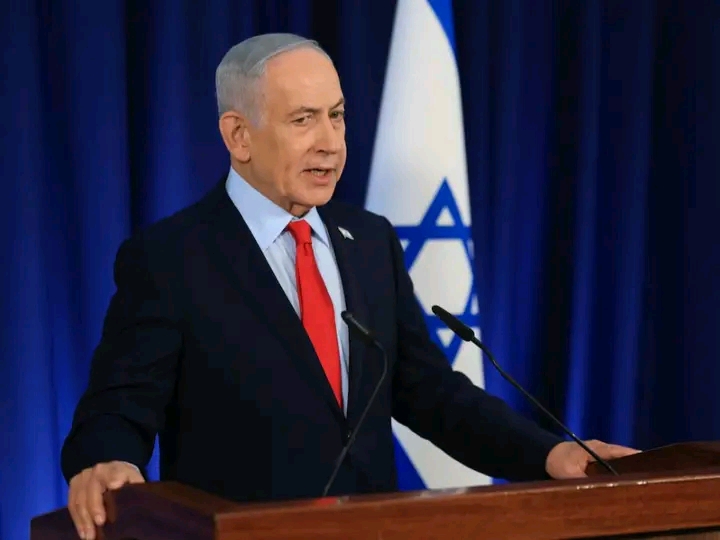
Israeli Prime Minister Benjamin Netanyahu confirmed on Thursday that Israel will temporarily halt strikes on Iran’s oil and gas infrastructure, following a request from U.S. President Donald Trump. The move comes after Israeli forces targeted Iran’s South Pars gas field the world’s largest triggering widespread retaliation and raising concerns over global economic stability.
The decision follows sharp criticism from Trump, who stated the United States had “no involvement” and was not informed in advance of the strikes on Iran’s energy facilities, including the Asaluyeh industrial zone. Speaking during a meeting with Japanese leaders in the Oval Office, Trump said: “I told him not to do it — and he’s not going to do it again,” warning that attacks on energy infrastructure could drive global prices higher and impact civilians.
Speaking in Jerusalem, Netanyahu acknowledged the request, stating: “President Trump asked us to exercise restraint in our next actions, and we are complying with that request.” However, he maintained that Israel’s recent operations had been highly successful, claiming that Iran’s uranium enrichment and missile production capabilities were severely degraded during nearly 20 days of fighting.
Tensions escalated further after Iran retaliated by reportedly launching strikes on energy infrastructure across the region, including LNG facilities in Qatar and oil refineries in Saudi Arabia and Kuwait. These claims have not been independently verified. Reports indicate gas exports from the Persian Gulf have dropped significantly, while European gas prices have surged sharply.
The White House has signaled that while energy infrastructure may be temporarily spared, broader strategic objectives including potential regime change in Iran remain under consideration. Trump has described attacks on oil facilities as a “last resort” option, to be used only if Iran attempts to close the Strait of Hormuz or directly targets U.S. allies in the Gulf.
Global attention is now focused on whether Israel’s decision to de-escalate under U.S. pressure will help contain the rapidly intensifying energy conflict, as Iran continues to warn of further retaliation if its sovereignty is violated.