Milton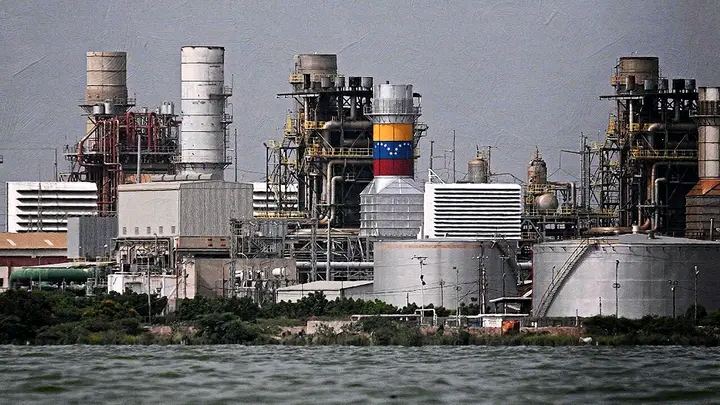
The administration of U.S. President Donald Trump has approved a new general license allowing the export and sale of U.S. petroleum diluents to Venezuela.
On March 3 (local time), the U.S. Department of the Treasury’s Office of Foreign Assets Control (OFAC) announced the issuance of General License No. 47, titled “Authorization for the Sale of U.S. Diluent to Venezuela,” through its official website.
The license authorizes the sale of U.S. petroleum diluents—key components required for the export of heavy crude oil—to the Venezuelan government or Venezuelan state-owned entities.
Most of Venezuela’s oil production consists of heavy crude with extremely high viscosity. Due to its thickness, such crude must be blended with diluents such as naphtha to allow transportation through pipelines or via oil tankers.
U.S. authorities emphasized that transactions involving entities located in North Korea, Iran, or Cuba, as well as individuals linked to those countries, remain strictly prohibited.
They further clarified that transactions involving payment through gold or digital currencies are not authorized under the license.
This marks the second general license issued to ease sanctions on Venezuela, following the arrest of Venezuelan President Nicolás Maduro, according to international reporting.
Previously, on March 29, OFAC issued General License No. 46, titled “Authorization for Certain Transactions Related to Venezuelan Crude Oil,” which permits specific activities involving the Venezuelan government and the state-owned oil company PDVSA, including crude oil refining, exportation, and supply operations.
The United States has imposed strict sanctions on Venezuela’s oil sector, citing reasons such as the undermining of democratic governance and actions deemed harmful to U.S. national interests.
General licenses are issued to authorize specific activities under existing sanctions regimes and provide legal assurance that U.S. persons may engage in the outlined transactions without seeking individual licenses.
The authorization of petroleum diluent sales is expected to modestly increase Venezuela’s crude export capacity, particularly for heavy oil shipments. However, continued restrictions on financial channels, third-country involvement, and payment methods will likely limit the overall economic impact.
While the Trump administration’s latest license signals a calibrated easing of sanctions, it maintains firm red lines on geopolitical adversaries and alternative payment mechanisms, reflecting a controlled and conditional approach toward Venezuela’s energy sector.